



業界ニュース
-
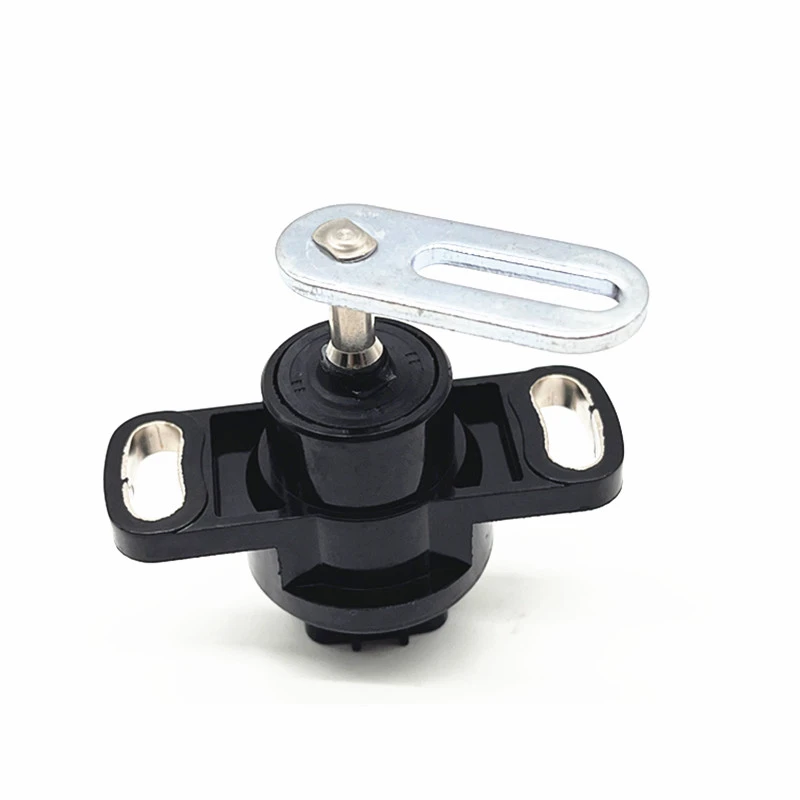
5 Signs You Need an Electronic Accelerator Pedal Replacement: A Step-by-Step 2026 Guide
読む もっと読むAbstract The transition from mechanical throttle linkages to sophisticated electronic drive-by-wire systems represents a significant evolution in vehicle control technology. Central to this system is the electronic accelerator pedal assembly, which incorporates one or more accelerator pedal position (APP) sensors. These sensors translate the driver's physical input into a precise electrical signal for the Engine Control Module (ECM). A failure within this assembly can manifest in a spectrum of concerning symptoms, ranging from subtle performance degradation to severe operational impairment. Common indicators of a malfunctioning pedal include erratic acceleration, sudden power loss, activation of the vehicle's "limp mode," inconsistent cruise control behavior, and the illumination of the check engine light […]
-
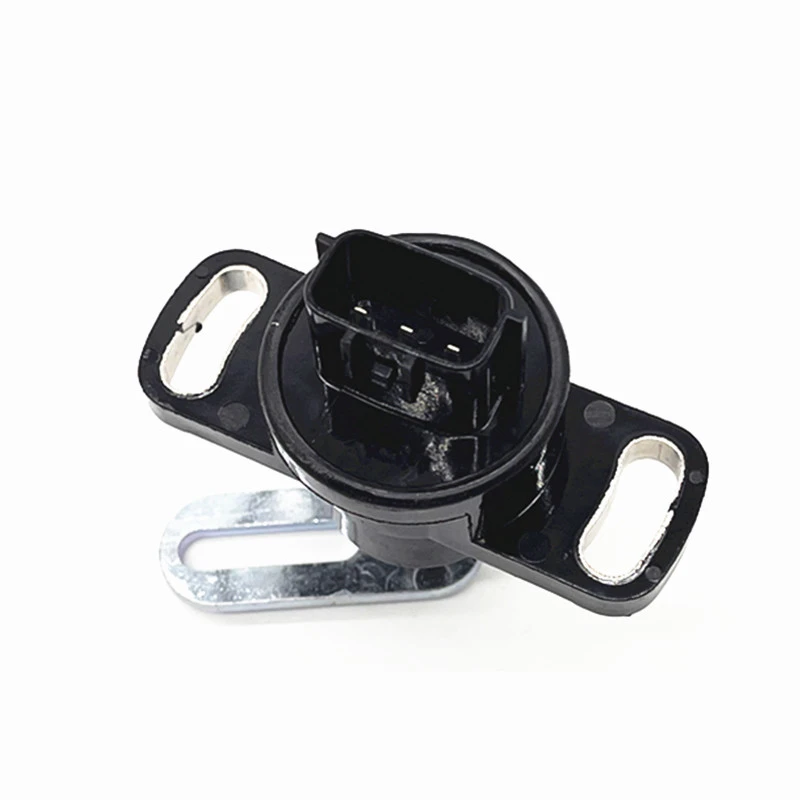
Expert Guide 2026: 5 Key Symptoms of Failing Truck Accelerator Pedal Sensor Parts & How to Fix Them
読む もっと読むAbstract The accelerator pedal sensor, a central component in modern drive-by-wire systems for heavy-duty trucks, translates the physical depression of the accelerator pedal into an electrical signal for the Engine Control Module (ECM). This analysis examines the operational principles of these sensors and investigates the primary failure modes that manifest as distinct operational symptoms. A malfunctioning sensor can precipitate a range of issues, from erratic engine behavior and reduced power to compromised fuel efficiency and the activation of diagnostic trouble codes. The investigation clarifies that these symptoms arise from the degradation or failure of the sensor's internal components, typically potentiometers, which leads to inaccurate or inconsistent voltage signals. Understanding the […]
-
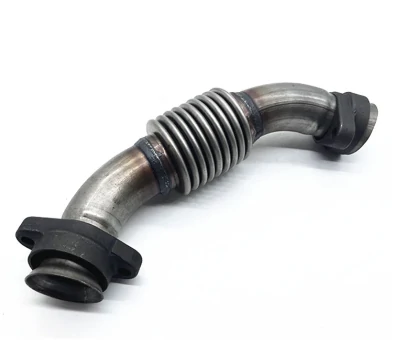
Is a Snorkle on a Truck Part of the Exhaust System? A Technical Question Fleet Managers Often Ask
読む もっと読むIs a snorkle on a truck part of the exhaust system? The short answer is no. A truck snorkle is part of the air intake system, not the exhaust. Its role is to deliver cleaner, cooler, and often higher-positioned air into the engine, especially in dusty, wet, or off-road environments. The confusion is understandable because both intake and exhaust systems manage airflow around the engine. For procurement managers, fleet engineers, and distributors, understanding this distinction matters when specifying truck configurations, sourcing components, or evaluating performance and compliance. In the sections below, we break down the technical differences, real-world use cases, and purchasing considerations that B2B decision-makers should know. In practical […]
-
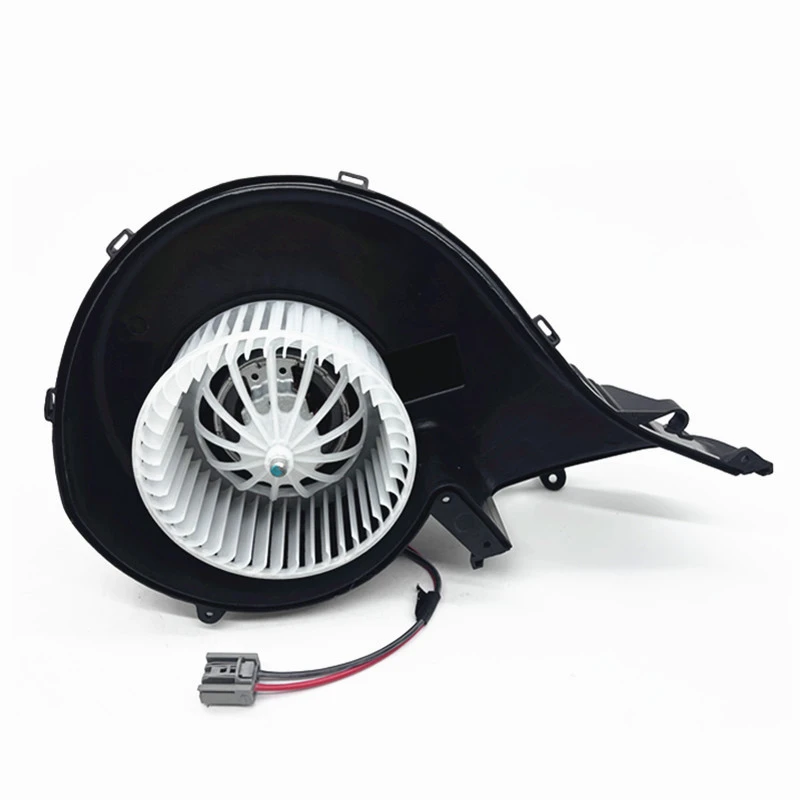
How to Verify Used Truck Part OEM Standards Before You Source at Scale?
読む もっと読むHow to verify used truck part OEM standards is a fundamental question for fleet operators, distributors, and procurement managers sourcing replacement components for commercial trucks. In short, verification requires confirming part identity, dimensional and material conformity, functional performance, and traceability against original equipment manufacturer (OEM) specifications. Without this process, used parts may introduce reliability risks, compliance issues, and hidden lifecycle costs. For example, a used suspension component that visually appears intact may still fail OEM fatigue tolerances, while an emissions-related part with incorrect calibration can lead to regulatory violations. This article explains how decision-makers can systematically verify OEM standards for used truck parts, reduce sourcing risk, and build a repeatable […]