



ニュース
-
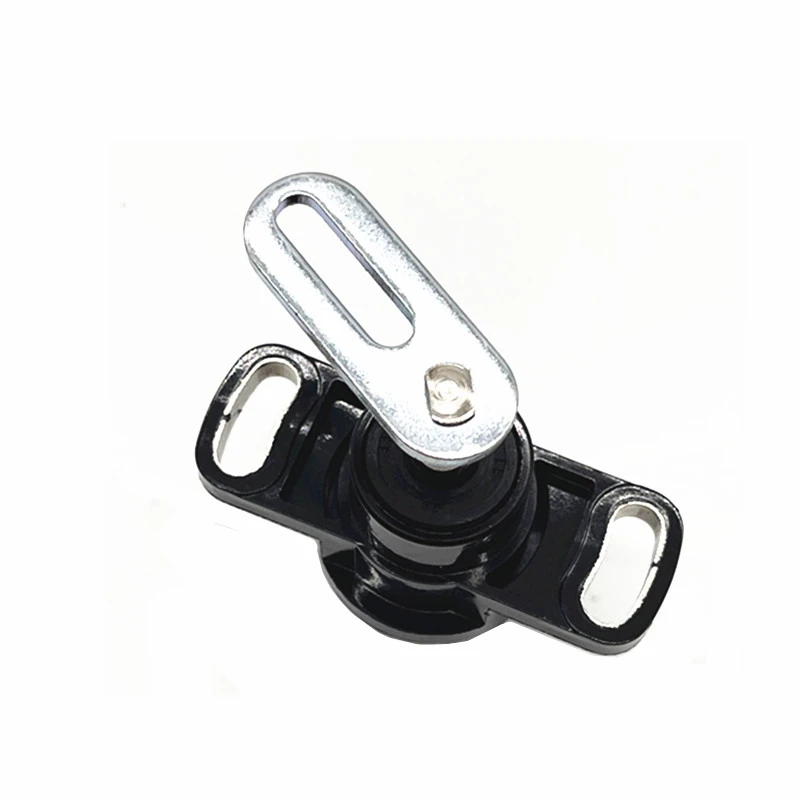
How to Identify Correct Truck Part: A Comprehensive Guide for Fleet Managers and Distributors
読む もっと読むKnowing how to identify correct truck part is critical for fleet managers, truck maintenance companies, and B2B distributors. Using the wrong part can lead to operational downtime, safety risks, and increased maintenance costs. Correct identification ensures that trucks perform reliably, comply with safety standards, and reduce long-term expenses. Truck parts come in a variety of specifications, models, and grades. The process of selecting the right component involves understanding compatibility, material quality, and manufacturer specifications. With proper knowledge, businesses can make informed decisions that improve fleet efficiency and reduce the risk of operational disruptions. Key Factors to Consider When Identifying Truck Parts When determining the correct truck part, several factors should […]
-
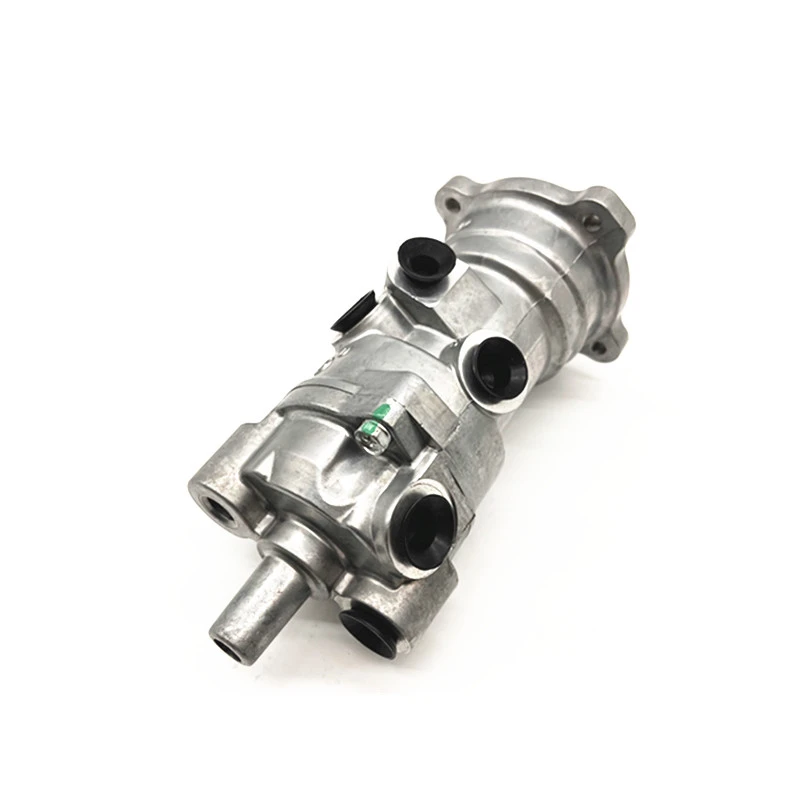
The Actionable 7-Point Checklist: How to Choose a Truck Part Supplier in 2026
読む もっと読むAbstract The process of selecting a truck part supplier extends far beyond a simple transactional analysis of price and availability. This examination posits that a robust, multi-faceted evaluation framework is necessary for fleet managers and owner-operators to forge sustainable, value-driven partnerships. The inquiry focuses on a seven-point methodology for how to choose a truck part supplier in the contemporary global market of 2026. Key evaluative criteria include the verification of quality certifications like IATF 16949, the assessment of supply chain resilience against geopolitical and logistical disruptions, and the depth of a supplier's technical support for complex components such as transmission solenoid valves and hand brake valves. Furthermore, the analysis advocates […]
-

An Expert Guide to the 5 Core Systems: What are the main components of a truck
読む もっと読むAbstract This article provides an exhaustive examination of the primary systems that constitute a modern heavy-duty truck. It deconstructs the vehicle into five core functional groups: the engine, the drivetrain, the chassis and suspension, the braking and air system, and the cab with its associated controls. Each section offers a detailed analysis of its respective components, elucidating their specific functions, interdependencies, and operational principles. The discussion extends beyond mere identification to explore the underlying engineering concepts, such as forced induction via turbochargers, torque multiplication within the transmission, and the pneumatic logic of air brake systems. Emphasis is placed on the roles of critical sub-components like the transmission solenoid valve, air […]
-
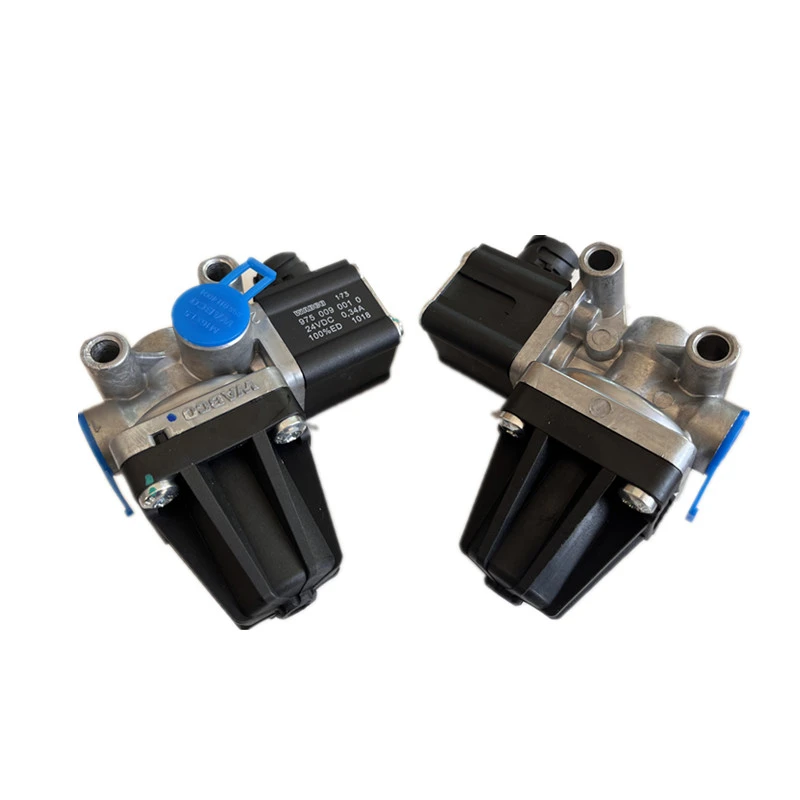
Expert Guide to 7 Key Systems: What are the different types of truck parts in 2025?
読む もっと読むAbstract An examination of the modern heavy-duty truck reveals a complex amalgamation of interconnected systems, each comprising numerous specialized components. This document provides a comprehensive analysis of the different types of truck parts, organized into seven primary functional systems: the engine and powertrain, transmission, brakes, chassis and suspension, HVAC, electrical and electronics, and emissions control. It explores the fundamental principles governing each system and details the function of specific critical parts, including the role of the engine's air flow meter in combustion efficiency and the purpose of the truck exhaust pipe in managing byproducts. The transmission system's operation is detailed with a focus on the transmission solenoid valve's function in […]