



The Actionable 7-Point Checklist: How to Choose a Truck Part Supplier in 2026
Décembre 31, 2025
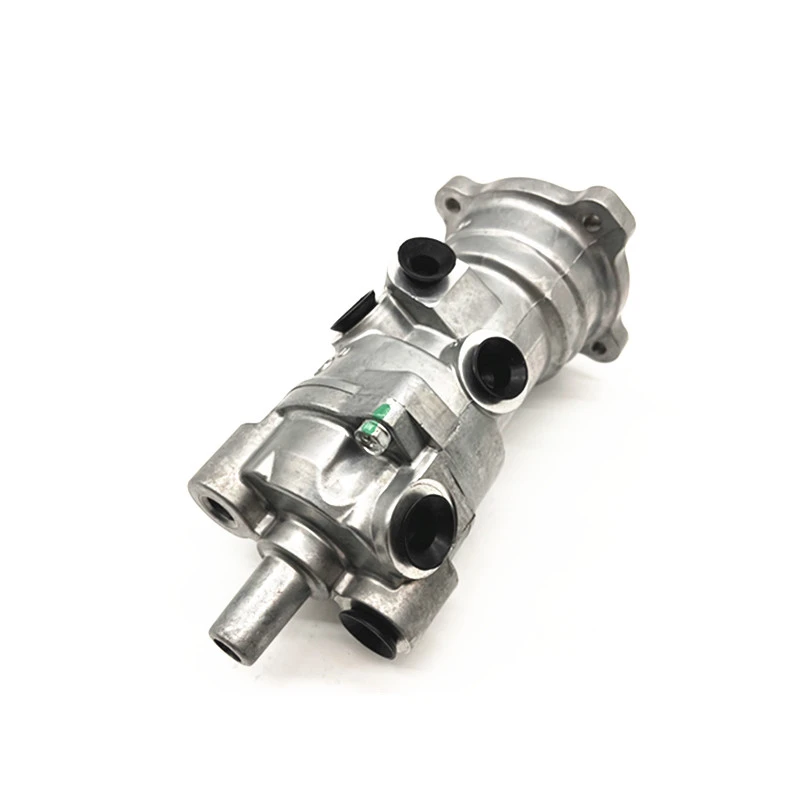
Abstract
The process of selecting a truck part supplier extends far beyond a simple transactional analysis of price and availability. This examination posits that a robust, multi-faceted evaluation framework is necessary for fleet managers and owner-operators to forge sustainable, value-driven partnerships. The inquiry focuses on a seven-point methodology for how to choose a truck part supplier in the contemporary global market of 2026. Key evaluative criteria include the verification of quality certifications like IATF 16949, the assessment of supply chain resilience against geopolitical and logistical disruptions, and the depth of a supplier's technical support for complex components such as transmission solenoid valves and hand brake valves. Furthermore, the analysis advocates for a shift from unit price to a Total Cost of Ownership (TCO) model, which accounts for part longevity and vehicle downtime. The study concludes that a truly optimal supplier relationship is characterized by a synthesis of demonstrable quality, logistical stability, technical acumen, and transparent e-commerce integration, ensuring operational integrity and long-term financial viability for the vehicle operator.
Key Takeaways
- Prioritize suppliers with verifiable IATF 16949 and ISO 9001 certifications for quality assurance.
- Evaluate a supplier's inventory depth and geographic diversification to mitigate supply chain risks.
- Choose a truck part supplier based on Total Cost of Ownership, not just the initial part price.
- Confirm the supplier offers comprehensive technical support, especially for complex electronic parts.
- Assess the supplier's online catalog for ease of use, accurate data, and secure transactions.
- Investigate a potential supplier's market reputation through independent reviews and industry case studies.
- Ensure the product range aligns with your fleet's specific needs for critical components.
Table of Contents
- The Foundational Dilemma: Navigating the Truck Parts Supply Chain
- Point 1: Scrutinizing Quality and Certification Standards
- Point 2: Evaluating Supply Chain Resilience and Logistics
- Point 3: Assessing Technical Expertise and Post-Sale Support
- Point 4: Analyzing the Total Cost of Ownership (TCO)
- Point 5: Investigating Reputation and Market Presence
- Point 6: Understanding Product Range and Specialization
- Point 7: Embracing Technological Integration and E-Commerce Capabilities
- Frequently Asked Questions (FAQ)
- Conclusion
- References
The Foundational Dilemma: Navigating the Truck Parts Supply Chain
The modern heavy-duty truck is a sophisticated convergence of mechanical force and digital intelligence. It is an ecosystem where every component, from the largest engine block to the smallest sensor, contributes to a delicate balance of performance, efficiency, and safety. When a part fails—be it a complex transmission solenoid valve or a seemingly simple truck exhaust pipe—the consequences ripple outward, translating into lost revenue, logistical chaos, and potential safety hazards. The decision of how to choose a truck part supplier, therefore, is not merely a procurement task; it is a strategic imperative that directly influences a fleet's operational health and profitability. One must move beyond the surface-level assessment of cost and consider the deeper, often hidden, variables that define a truly reliable supply partner.
The Cost of a Wrong Decision: Beyond the Price Tag
Imagine a scenario: a long-haul truck is crossing a mountain pass when a critical hand brake valve fails due to a substandard internal seal. The immediate cost is not the price of the valve, but the expense of an emergency roadside repair, the penalty for a missed delivery deadline, the potential for catastrophic brake failure, and the erosion of trust with a valuable client. This single incident exemplifies the profound fallacy of a price-centric procurement strategy. The initial savings on a cheaply made part are often dwarfed by the subsequent costs of downtime, labor, and reputational damage.
A 2026 perspective requires a more holistic understanding of value. The true cost of a component is not its purchase price but its Total Cost of Ownership (TCO). This includes the initial outlay, shipping, installation labor, the part's expected service life, and, most critically, the financial impact of any downtime it may cause. A high-quality, slightly more expensive part that lasts twice as long and prevents a single day of a truck being off the road represents a far greater economic value than its cheaper, less reliable counterpart. The intellectual task for any fleet manager or owner-operator is to cultivate the foresight to see beyond the invoice and into the operational lifecycle of every part they purchase.
OEM, Aftermarket, and Remanufactured: A Philosophical Inquiry into Value
The marketplace for truck parts is broadly divided into three categories: Original Equipment Manufacturer (OEM), aftermarket, and remanufactured. Each presents a different proposition concerning quality, cost, and trust. Understanding their distinctions is fundamental to making an informed choice.
-
Original Equipment Manufacturer (OEM) Parts: These are the components produced by or for the truck’s original maker, like Peterbilt or Cummins (FinditParts.com, 2025). They are, in essence, identical to the parts installed on the vehicle at the factory. The primary argument for OEM is the guarantee of perfect fit, function, and material quality. The manufacturer's reputation is staked on their performance. However, this assurance comes at the highest price point.
-
Aftermarket Parts: These are parts made by companies other than the original vehicle manufacturer. The aftermarket is a vast and varied landscape. At one end, you have high-quality manufacturers who may even supply OEM parts and whose aftermarket products meet or exceed OEM specifications. At the other end, you find producers of low-cost, reverse-engineered parts that may compromise on material quality, manufacturing tolerances, and testing.
-
Remanufactured Parts: These are not merely "used" or "rebuilt" parts. A professional remanufacturing process involves completely disassembling a used component (known as a "core"), cleaning it, inspecting it, and replacing all wearable items like seals, bearings, and electronic elements with new parts. The component is then reassembled and tested to meet OEM standards (Autostar Heavy Duty, 2025). This offers a balance of quality and cost-effectiveness, often with strong warranty support.
The following table provides a comparative framework for these options.
| Fonctionnalité | OEM (Original Equipment Manufacturer) | High-Quality Aftermarket/Remanufactured | Low-Cost Aftermarket |
|---|---|---|---|
| Quality & Fit | Guaranteed to match original specifications. | Designed to meet or exceed OEM specs; perfect fit. | Variable; may have fitment or tolerance issues. |
| Cost | Highest | Moderate; significant savings over OEM. | Lowest |
| Warranty | Typically strong, backed by the vehicle manufacturer. | Often matches or exceeds OEM warranty terms. | Limited or non-existent. |
| Source of Part | From the vehicle manufacturer (e.g., Peterbilt). | From specialized third-party manufacturers or remanufacturers. | Often from mass producers with less stringent quality control. |
| Ideal Use Case | Vehicles under warranty; when absolute certainty is required. | Post-warranty repairs; balancing cost with high reliability. | Non-critical applications; when budget is the sole driver. |
This trichotomy forces a crucial question: where does value truly lie? Is it in the absolute certainty of OEM, the economic efficiency of high-quality aftermarket, or the immediate savings of a low-cost part? For a professional operation, the answer almost always resides in the nexus of quality and cost, making reputable aftermarket and remanufactured suppliers a primary focus of any intelligent selection strategy.
Point 1: Scrutinizing Quality and Certification Standards
The quality of a truck part is not an abstract concept; it is a measurable, verifiable attribute. It is the outcome of deliberate choices in material science, manufacturing precision, and rigorous testing protocols. When evaluating how to choose a truck part supplier, the first and most vital step is to dissect their commitment to quality. A supplier's quality is the foundation upon which the reliability of your entire fleet rests. To neglect this scrutiny is to build your operations on sand.
Decoding Certifications: ISO, IATF, and Beyond
In a globalized market, quality certifications serve as a universal language of trust and competence. They are independent verifications that a supplier adheres to a set of internationally recognized standards for quality management. For the heavy-duty truck industry, two certifications are paramount.
-
ISO 9001: This is the foundational standard for quality management systems. An ISO 9001 certification indicates that a supplier has established processes for consistent production, customer satisfaction, and continual improvement. It demonstrates a fundamental commitment to quality, but it is a general standard applicable to any industry.
-
IATF 16949: This is the gold standard for the automotive industry. It incorporates all the requirements of ISO 9001 but adds a host of stringent, automotive-specific requirements. Developed by the International Automotive Task Force (IATF), this certification is a prerequisite for any company wishing to be a Tier 1 supplier to major automotive manufacturers. It demands rigorous processes for everything from product design and development to risk management and defect prevention. A supplier with an IATF 16949 certification is operating at the highest level of automotive quality control.
When you engage with a potential supplier, do not simply accept a claim of being "certified." Ask for their certification number and the certifying body. Verify it independently. A serious supplier will be transparent and proud of their certifications. The absence of these credentials, particularly IATF 16949 for critical components, should be considered a significant red flag.
Material Science and Manufacturing Processes
Certifications provide a framework, but the quality of the part itself is determined by the materials used and the precision of its construction. This is where a supplier's deep knowledge of engineering becomes evident. Consider the specific demands on different components:
-
Truck Exhaust Pipe: This part must endure extreme temperature cycles, constant vibration, and corrosive elements. A low-quality pipe might be made from simple, low-grade steel that will rust through in a year. A superior truck exhaust pipe will be constructed from aluminized steel or, for maximum longevity, a specific grade of stainless steel like 409, which is formulated to resist high-temperature corrosion. The manufacturing process matters, too. Mandrel-bent pipes maintain a consistent diameter through bends, ensuring smooth exhaust flow, whereas cheaper crush-bent pipes can create restrictions that rob the engine of power.
-
Débitmètre d'air: The air flow meter is a critical sensor that tells the Engine Control Module (ECM) the mass of air entering the engine, which is vital for calculating the correct fuel injection amount. The sensing element—whether a hot wire or a thin film—is incredibly delicate. A quality supplier will use materials for the sensor that resist contamination and provide stable readings across a wide temperature range. The calibration process during manufacturing must be exact; even a small deviation can lead to poor fuel economy, increased emissions, and engine performance issues.
-
Électrovanne de transmission: This component is the nerve center of a modern automatic transmission, controlling the flow of hydraulic fluid to engage different gears. A transmission solenoid valve operates thousands of times per trip. Quality here depends on the precision of the valve body, the quality of the copper windings in the solenoid coil, and the durability of the internal seals. A supplier committed to quality will use high-temperature-resistant polymers for seals and will test each solenoid for response time, flow rate, and electrical resistance before it leaves the factory.
The Role of Warranties as a Quality Indicator
A warranty is more than a legal document; it is a statement of confidence. A supplier's willingness to stand behind its product is a direct reflection of their belief in its quality and longevity. When examining how to choose a truck part supplier, scrutinize the warranty terms carefully.
-
Duration and Mileage: A 12-month, unlimited-mileage warranty is becoming a standard for high-quality aftermarket parts. A warranty of only 90 days, or one with a low mileage cap, suggests the supplier does not expect the part to last under the rigorous conditions of commercial use.
-
Scope of Coverage: Does the warranty cover only the part itself, or does it also cover labor for replacement? While labor coverage is less common in the aftermarket, its presence is a powerful signal of a supplier's commitment to its customers.
-
The Claim Process: How straightforward is the warranty claim process? A supplier who makes it difficult to file a claim, requires excessive paperwork, or has a high rejection rate is not a true partner. Look for suppliers with a clear, simple, and fair claims process.
A strong warranty is a form of insurance against premature failure. It shifts some of the financial risk from you, the operator, back to the supplier, incentivizing them to produce a part that will last.
Point 2: Evaluating Supply Chain Resilience and Logistics
In the interconnected global economy of 2026, the physical journey of a part from the factory to your workshop is as important as its engineering. A supplier can offer the highest quality parts in the world, but if they cannot deliver them to you reliably and efficiently, their value diminishes significantly. The COVID-19 pandemic and subsequent geopolitical tensions served as a harsh lesson in the fragility of global supply chains. Therefore, a critical aspect of how to choose a truck part supplier involves a thorough investigation of their logistical capabilities and supply chain resilience.
Geographic Diversification and Geopolitical Risk
The era of relying on a single manufacturing hub, often in a single country, is over. A resilient supplier is one that has diversified its manufacturing and sourcing footprint. Think of a supply chain not as a linear chain, but as a web. If one strand of the web is broken, the others can still bear the load.
Ask potential suppliers about their manufacturing locations. Do they have facilities in multiple regions, such as Southeast Asia, Eastern Europe, and North America? This diversification provides a buffer against localized disruptions, whether they are natural disasters, labor strikes, political instability, or the imposition of tariffs. A supplier with a multi-regional strategy is inherently less risky than one with all its production concentrated in one area. This global perspective is particularly salient for buyers in the diverse markets of the US, Europe, the Middle East, and Southeast Asia, who are all subject to different geopolitical pressures.
Inventory Management and Lead Time Analysis
"Just-in-time" inventory was the dominant philosophy for decades, but recent disruptions have highlighted its weaknesses. A reliable supplier for the heavy-duty industry must maintain a robust inventory of high-demand parts. They are not just selling parts; they are selling uptime.
-
Inventory Depth: Inquire about their stock levels for the parts you purchase most frequently. Do they maintain significant inventory in regional warehouses, or is everything shipped from a central location overseas? A supplier with strategically located warehouses can dramatically reduce shipping times. For example, a fleet operating in the Midwestern United States should partner with a supplier that has a distribution center in Chicago or Dallas, not just in Los Angeles or a port city.
-
Lead Time: This is the total time from when you place an order to when you receive the part. You need to understand the supplier's average lead time for standard orders and, just as importantly, their expedited shipping capabilities. Can they get a critical part like a truck blower motor to you overnight if a vehicle is down? What are the associated costs? A supplier who cannot provide reliable lead time estimates or offer expedited options is not suited for the demands of the commercial trucking industry.
The Technology of Tracking: From Warehouse to Workshop
Modern logistics run on data. The ability to track an order in real-time is no longer a luxury; it is a necessity. A sophisticated supplier will provide a customer portal where you can see the status of your order at every stage: from processing and packing in the warehouse to its journey with the shipping carrier.
This transparency allows you to manage your own workshop and fleet maintenance schedules more effectively. If you know a pallet of truck exhaust pipe replacements will arrive on Wednesday, you can schedule the technicians and bay time accordingly. This level of integration and visibility minimizes uncertainty and maximizes efficiency. It transforms the supplier from a mere vendor into an integrated logistical partner.
Point 3: Assessing Technical Expertise and Post-Sale Support
The complexity of modern trucks means that simply supplying a part is not enough. A true supply partner must also provide the knowledge and support necessary to ensure that part is diagnosed, installed, and functions correctly. This is especially true for intricate systems like air brakes and electronic engine components. When considering how to choose a truck part supplier, their technical acumen is a direct measure of their long-term value. A supplier who sells you a part and then disappears is a vendor; a supplier who helps you solve the problem is a partner.
Availability of Technical Data and Fitment Guides
The days of a single part fitting dozens of models are long gone. A modern truck can have numerous variations of a component based on its year of manufacture, engine type, and even its original destination market. A top-tier supplier understands this complexity and provides tools to navigate it.
-
Detailed Online Catalogs: Look for a supplier whose website is more than just a list of part numbers. A quality online catalog, like those seen on platforms such as [FinditParts.com] or [CarParts.com], should include high-resolution images, detailed specifications (dimensions, materials, electrical connector types), and, most importantly, comprehensive cross-reference information. You should be able to search by your truck's VIN, the OEM part number, or the component's functional description (e.g., "air dryer for 2024 Peterbilt 579") and receive a confident match.
-
Installation Guides and Technical Bulletins: The best suppliers invest in creating technical resources for their customers. This can include printable installation guides, video tutorials, and technical service bulletins (TSBs) that address common installation issues or diagnostic tips. For example, a supplier of a hand brake valve might provide a downloadable PDF that shows the correct torque specifications for the fittings and a diagram of the air line connections, similar to the foundational knowledge provided in driver manuals (e.g., [edrivermanuals.com]). This demonstrates a commitment to ensuring the part is installed correctly the first time.
Post-Sale Support and Troubleshooting Capabilities
What happens when a newly installed part does not solve the problem, or when a technician has a question during installation? This is a moment of truth for any supplier.
A premier supplier will have a dedicated technical support team accessible via phone or email. These are not just call center agents; they should be experienced technicians or engineers who understand the products and the vehicles they go into. You should be able to ask a detailed question like, "I've installed the new transmission solenoid valve, but the transmission is still shifting harshly between 3rd and 4th gear. Could there be a relearning procedure for the TCM that I'm missing?" and receive a knowledgeable, helpful response.
Think of it as a mental exercise: Before committing to a supplier, call their technical support line with a hypothetical but complex question. Their response—its speed, clarity, and depth—will tell you a great deal about the company's culture and its commitment to being a problem-solver.
Training and Educational Resources for Technicians
The most forward-thinking suppliers see themselves as partners in the development of their clients' workforce. The technology in heavy-duty trucks is evolving at a rapid pace, with components like VGT turbo actuators and complex after-treatment systems becoming standard (Autostar Heavy Duty, 2025).
A supplier who offers educational resources, such as webinars on diagnosing modern diesel emission systems or training guides on the function of new air brake components, is providing immense value beyond the part itself. They are helping to upskill your technicians, which reduces diagnostic time, prevents installation errors, and ultimately lowers your operational costs. These educational efforts signal that the supplier is invested in the long-term success of your business, not just the short-term sale. This commitment to education is a hallmark of a mature and reliable industry leader.
Point 4: Analyzing the Total Cost of Ownership (TCO)
One of the most profound shifts in modern business philosophy is the move from focusing on acquisition cost to understanding Total Cost of Ownership (TCO). For a fleet manager or owner-operator, this conceptual leap is not just academic; it is the key to sustainable profitability. When you learn how to choose a truck part supplier, the ability to calculate and prioritize TCO over simple unit price is what separates amateur purchasing from professional procurement. It requires a disciplined, long-term perspective that resists the allure of a cheap initial price in favor of a more robust, holistic calculation of value.
Moving Beyond Unit Price
The unit price of a part is merely the most visible part of the iceberg. The true, submerged cost is far greater. Let's construct a hypothetical comparison between two truck blower motor options for a fleet of 50 trucks.
| Metric | Supplier A (Low-Cost) | Supplier B (High-Quality Aftermarket) |
|---|---|---|
| Unit Price | $75 | $125 |
| Expected Lifespan | 18 Months | 48 Months (4 years) |
| Warranty | 90 Days | 24 Months |
| Installation Labor | 2 hours @ $100/hr = $200 | 2 hours @ $100/hr = $200 |
| Shipping Cost | $15 | $15 |
At first glance, Supplier A looks like the better deal, saving $50 per unit. However, the analysis must go deeper. Over a four-year period, you would need to purchase, ship, and install the part from Supplier A almost three times (at 0 months and again at 18 months and 36 months), while the part from Supplier B would last the entire duration.
- Supplier A TCO over 4 years: (3 x $75 part) + (3 x $15 ship) + (3 x $200 labor) = $225 + $45 + $600 = $870
- Supplier B TCO over 4 years: (1 x $125 part) + (1 x $15 ship) + (1 x $200 labor) = $340
This simple calculation reveals that the "cheaper" option is, in fact, more than 2.5 times more expensive over the operational cycle. This analysis, however, is still incomplete because it omits the most significant cost of all: downtime.
Calculating Downtime Costs
Every hour a truck is in the workshop for an unscheduled repair is an hour it is not generating revenue. The cost of downtime varies by operation, but a conservative estimate in 2026 might be $100 to $200 per hour in lost earnings, driver wages for non-driving time, and potential late-delivery penalties.
Let's revisit our blower motor example. The failure of a truck blower motor might be considered a lower-priority repair, perhaps taking the truck out of service for half a day (4 hours).
- Supplier A Downtime Cost: The part fails twice unexpectedly during the 4-year period. Let's assume 4 hours of downtime for each failure. 2 failures x 4 hours/failure x $150/hour = $1,200.
- Supplier B Downtime Cost: The part does not fail unexpectedly within the 4-year period. The replacement is scheduled during routine maintenance. Downtime cost = $0.
Now, let's combine these figures to get the true TCO:
- True TCO for Supplier A: $870 (parts/labor) + $1,200 (downtime) = $2,070
- True TCO for Supplier B: $340 (parts/labor) + $0 (downtime) = $340
The "cheap" part is now over six times more expensive. This is the mathematical reality that must guide the decision-making process. The ability to perform this kind of TCO analysis is a core competency for any successful fleet operation.
The Financial Impact of Part Longevity
The longevity of a part is a direct function of its quality. A well-made component from a reputable source, like a high-quality truck transmission solenoid valve, is an investment in uptime. It contributes to predictable maintenance schedules, allowing you to replace parts proactively during planned service intervals rather than reactively on the side of a highway.
This predictability is invaluable. It allows for more efficient scheduling of technicians, better inventory management of maintenance parts, and, most importantly, greater reliability and trust with your customers. The financial benefits are twofold: you reduce the direct costs associated with repeated repairs and unscheduled downtime, and you enhance your revenue-generating capacity by keeping your trucks on the road where they belong. A supplier who understands and can provide data on the expected service life of their parts is a supplier who understands the economics of your business.
Point 5: Investigating Reputation and Market Presence
In a world saturated with digital marketing and bold claims, a supplier's reputation is the ultimate currency of trust. It is an asset built not through advertising, but through years of consistent performance, customer satisfaction, and ethical business practices. Reputation is the collective judgment of the market, and it is a powerful tool for separating fleeting vendors from enduring partners. When you are learning how to choose a truck part supplier, you are not just buying a product; you are buying into a reputation. A thorough investigation of that reputation is a non-negotiable part of your due diligence.
Sourcing Independent Reviews and Testimonials
The first-hand experiences of other fleet managers and technicians are an invaluable source of intelligence. However, one must be discerning about where this information comes from.
-
Industry Forums and Social Media Groups: Online communities dedicated to truck maintenance and repair can be a goldmine of candid feedback. Search for the supplier's name in these groups and observe the tone and content of the discussions. Are technicians praising their part quality and customer service, or are they complaining about premature failures and difficult warranty claims? This unfiltered feedback is often more telling than a curated testimonial.
-
Third-Party Review Platforms: Websites like Trustpilot or even the reviews section on a Google Business Profile can provide insights. Pay close attention to patterns. A single negative review could be an anomaly, but a series of reviews all mentioning the same problem—such as a consistently failing air flow meter or poor packaging—points to a systemic issue.
-
Direct Inquiries: Do not hesitate to ask a potential supplier for references. A confident supplier should be able to connect you with a few of their long-standing customers who have a similar fleet size and operational profile to yours. A direct conversation with a peer can provide nuanced insights that a written review cannot.
Case Studies and Industry Partnerships
A supplier's reputation is also reflected in the company they keep. Look for evidence that they are a trusted entity within the broader heavy-duty industry.
-
Case Studies: A mature supplier will often publish case studies detailing how they helped a specific fleet solve a problem or improve its operations. These documents, while a form of marketing, can reveal a lot about the supplier's problem-solving approach and their ability to deliver measurable results. For example, a case study showing how their high-efficiency truck exhaust pipe improved a fleet's fuel economy by a small but significant margin demonstrates a focus on delivering tangible value.
-
Industry Affiliations: Is the supplier a member of major industry associations, such as the Commercial Vehicle Solutions Network (CVSN) or the Technology & Maintenance Council (TMC)? Participation in these groups indicates a commitment to industry best practices, ongoing education, and professional networking. It shows they are a serious, long-term player, not a transient operator.
Longevity and Stability in the Market
In the highly competitive truck parts industry, longevity is a powerful indicator of quality and reliability. A company that has been in business for decades has weathered economic cycles, technological shifts, and competitive pressures. They have survived because, on the whole, they have satisfied their customers.
A supplier's stability is also a crucial factor. Is the company financially stable? A supplier teetering on the edge of bankruptcy poses a significant risk. They may cut corners on quality to save money, and their warranties could become worthless overnight. While it can be difficult to assess the financial health of a private company, you can look for signs of stability: consistent investment in new products, an updated and professional website, and a long-standing presence at industry trade shows. Choosing a stable, established supplier minimizes the risk of your supply chain being abruptly cut off.
Point 6: Understanding Product Range and Specialization
The scope of a supplier's inventory is a critical consideration in the selection process. The fundamental question is whether to partner with a specialist, who has deep expertise in a narrow range of components, or a generalist, who offers a vast catalog covering nearly every part of the truck. Each approach has distinct advantages and disadvantages, and the optimal choice depends on your fleet's specific needs and your overall procurement strategy. A nuanced approach to how to choose a truck part supplier requires an appreciation for this distinction.
The Specialist vs. The Generalist Supplier
-
The Specialist Supplier: These companies focus on a specific vehicle system. For instance, a supplier might specialize only in turbochargers and their related components, like Autostar Heavy Duty (2025), or focus exclusively on air brake systems.
- Advantages: The primary benefit is deep expertise. A specialist supplier's technical support team will have an encyclopedic knowledge of their products. They are more likely to have the absolute latest product revisions, offer in-depth diagnostic advice, and understand the subtle differences between seemingly identical parts. Their quality control for their chosen niche is often unparalleled because their entire reputation rests on it.
- Disadvantages: The main drawback is the need to manage relationships with multiple suppliers. If you need a hand brake valve and a truck blower motor, you may have to place orders with two different specialist companies, increasing administrative overhead.
-
The Generalist Supplier: These are the "one-stop-shops" of the truck parts world, offering an extensive catalog that covers everything from engine components to cab interior parts, as seen on large aggregate sites ([carparts.com]).
- Advantages: The key benefit is convenience. You can source a wide array of parts through a single purchase order, streamlining your procurement process. These suppliers often have massive purchasing power, which can sometimes translate into competitive pricing.
- Disadvantages: The trade-off for breadth is often a lack of depth. Their technical support may be more general, and they might not have the same level of expertise on a highly complex part like a transmission solenoid valve compared to a transmission specialist. They may stock multiple quality tiers of the same part, requiring you to be diligent in selecting the right one.
A hybrid strategy is often the most effective. Use a reliable generalist for common, less-critical maintenance items (filters, belts, lighting) while establishing relationships with one or two trusted specialists for your fleet's most critical and complex systems, such as the powertrain and air brakes.
Focus on Critical Components: Solenoids, Valves, and Motors
When evaluating a supplier's product range, pay special attention to their offerings for high-failure, safety-critical components. These are the parts where quality and expertise matter most.
-
Transmission and Brake Valves: Components like a transmission solenoid valve and a hand brake valve are the brains and reflexes of your truck's most important systems. They are not simple mechanical parts; they are precision-engineered electro-mechanical devices. A good supplier will offer products that have been 100% tested for flow rate, actuation speed, and electrical integrity. They should be able to provide detailed information on why their valve is superior, pointing to specific features like laser-welded seams, high-temperature coil insulation, or superior seal materials.
-
Air and Blower Motors: A truck blower motor is essential for driver comfort and safety (defrosting). The quality of these motors is determined by the durability of their bearings and the materials used for the internal brushes. A low-quality motor will become noisy and fail prematurely. A good supplier will offer units with robust, sealed bearings and long-life carbon brushes, backed by a solid warranty.
Cross-Referencing and OEM Compatibility
A key function of any good supplier catalog is the ability to accurately cross-reference an OEM part number to its aftermarket equivalent. A truck is a complex machine with many interconnected parts, and ensuring compatibility is vital (Wallwork Truck Center, 2025).
When you enter an OEM number, the supplier's system should provide a direct replacement with a guarantee of fit and function. This requires a massive investment in data management on the supplier's part. Test this capability. If a supplier's website frequently returns no results for valid OEM numbers or provides ambiguous "universal fit" options for specific applications, it suggests their data is incomplete or poorly managed. A reliable supplier, like a skilled provider of high-quality aftermarket truck parts, invests heavily in ensuring the accuracy of their catalog data, understanding that it is the bedrock of their customers' trust.
Point 7: Embracing Technological Integration and E-Commerce Capabilities
In 2026, the digital interface of a supplier is as much a part of their product as the physical components they sell. A supplier's e-commerce platform is no longer just a website; it is an integrated procurement tool. Its design, functionality, and security have a direct impact on the efficiency and accuracy of your parts ordering process. When determining how to choose a truck part supplier, a thorough evaluation of their technological prowess is essential. An outdated, clunky, or insecure online system is a clear indication that the supplier is not invested in the future of the industry or the efficiency of its customers.
The User Experience of an Online Catalog
The usability of a supplier's website is paramount. A well-designed e-commerce platform should be intuitive, fast, and rich with information. Think about the process from the perspective of a busy parts manager or technician.
-
Search Functionality: The search bar should be powerful and flexible. As mentioned previously, you should be able to find parts by VIN, OEM number, part name, or vehicle application. The search results should be fast and relevant, with clear images and concise descriptions.
-
Product Pages: Each product page must be a hub of information. It should contain multiple high-resolution photos, detailed specifications, fitment data, stock availability (real-time is best), pricing, and links to any available technical documents or installation videos. A lack of detailed information forces you to make assumptions, which can lead to ordering the wrong part.
-
Ease of Ordering: The checkout process should be streamlined and simple. The platform should save your shipping and billing information, allow for easy re-ordering of frequently purchased items, and provide clear order confirmations and tracking information. A system that requires you to re-enter all your information for every order is wasting your valuable time.
Integration with Fleet Management Systems
The next frontier for advanced suppliers is integration. The most technologically adept suppliers offer the ability for their e-commerce system to integrate with your fleet management or workshop management software. This is typically achieved through an Application Programming Interface (API).
This integration can automate many aspects of the procurement process. For example, when a technician flags a part for replacement in the workshop software, it could automatically generate a draft purchase order in the supplier's system, ready for your approval. This seamless flow of data reduces manual entry, minimizes the chance of errors, and dramatically speeds up the time from diagnosis to repair. While not yet a universal feature, a supplier who offers or is developing these API capabilities is a supplier who is thinking about the future of fleet maintenance.
Data Security and Transactional Integrity
As you conduct more business online, the security of your data becomes critically important. You will be entrusting your supplier with sensitive information, including payment details, shipping addresses, and purchase history.
A reputable supplier must have robust cybersecurity measures in place. Their website should use HTTPS encryption (indicated by a padlock icon in the browser's address bar) for all pages, not just the checkout page. Their payment processing should be compliant with the Payment Card Industry Data Security Standard (PCI DSS). They should also have a clear privacy policy that explains how they collect, use, and protect your data. Do not hesitate to ask about their data security protocols. A supplier who cannot speak confidently about their security measures is a risk you cannot afford to take. The integrity of your financial and operational data is a core component of a trustworthy supplier relationship.
Frequently Asked Questions (FAQ)
What is the single most important factor when choosing a truck part supplier? While a multi-faceted approach is best, the most foundational element is demonstrable quality, typically verified through IATF 16949 certification. A part that fails prematurely negates any savings in cost or convenience. Quality is the bedrock of reliability and safety.
Is it always cheaper to buy aftermarket parts? No. While the initial unit price of an aftermarket part is almost always lower than its OEM equivalent, it is not always cheaper in the long run. You must calculate the Total Cost of Ownership (TCO), which includes the part's lifespan, installation costs, and the cost of vehicle downtime. A high-quality aftermarket part with a long service life is often far more economical than a low-cost part that requires frequent replacement.
How can I verify a supplier's quality claims? First, ask for their ISO 9001 or IATF 16949 certification and verify it with the certifying body. Second, scrutinize their warranty policy; a long, comprehensive warranty is a sign of confidence. Third, seek out independent reviews from other fleet operators and technicians in online forums and industry groups.
What is the difference between a "rebuilt" and a "remanufactured" part? These terms are often used interchangeably, but they have different meanings. A "rebuilt" part typically involves replacing only the components that have failed. A "remanufactured" part, as defined by top-tier suppliers, is completely disassembled, cleaned, and all wear items (seals, bearings, electronics) are replaced with new components, regardless of their condition. The part is then reassembled and tested to meet or exceed original OEM specifications.
Why is a supplier's inventory location important? Inventory location directly impacts shipping time and cost. A supplier with regional warehouses in North America, Europe, or Asia can deliver parts much faster and more affordably than a supplier who ships everything from a single overseas factory. This reduces vehicle downtime and improves your operational efficiency.
Should I use one supplier for everything or multiple specialist suppliers? A hybrid approach is often best. Use a large, reputable generalist supplier for common, non-critical maintenance items to streamline ordering. For highly complex, safety-critical systems like your engine, transmission, and air brakes, build relationships with specialist suppliers who offer deep technical expertise and superior quality for those specific components.
What red flags should I look for in a potential supplier's website? Look for a website that is slow, difficult to navigate, or not secure (lacks HTTPS). Other red flags include a lack of detailed product photos and specifications, no cross-reference or VIN search capability, vague or missing warranty information, and no easily accessible phone number for technical support.
How much does a failing turbocharger really cost a fleet? The cost extends far beyond the part itself. A failing turbocharger can cause a loss of power, leading to safety risks and missed delivery schedules. If it fails catastrophically, it can send metal debris into the engine, potentially requiring a complete engine overhaul costing tens of thousands of dollars. Proactive maintenance and using quality parts are essential (Autostar Heavy Duty, 2025).
Conclusion
The endeavor of how to choose a truck part supplier in 2026 is an exercise in applied philosophy, demanding a perspective that transcends the immediacy of price and embraces a more profound understanding of value. It requires the discipline to evaluate a supplier not as a mere vendor of goods, but as a potential long-term partner whose competence, quality, and reliability are directly interwoven with your own operational success. By systematically applying this seven-point framework—scrutinizing quality certifications, evaluating logistical resilience, assessing technical support, calculating total cost of ownership, investigating reputation, understanding product specialization, and embracing technology—fleet managers and owner-operators can move beyond reactive purchasing. They can cultivate relationships built on a foundation of trust, transparency, and mutual interest. This strategic approach transforms the supply chain from a potential vulnerability into a source of competitive advantage, ensuring that every truck in the fleet remains a testament to reliability and efficiency, keeping them on the road and driving business forward.
References
A&I Parts Center. (2025). Air systems for semi-trucks and heavy-duty trucks. A&I Parts Center.
Autostar Heavy Duty. (2025, October 23). Everything you need to know about your truck turbocharger.
CarParts.com. (2024). Automotive parts – Browse all aftermarket & genuine parts.
eDriverManuals. (2024). The parts of an air brake system. Georgia Commercial Drivers Manual.
FinditParts. (2025). Peterbilt truck parts | OEM part number lookup, online catalog, cross reference search.
JIT Truck Parts. (2023, June 5). Getting to know your air system: Air dryers. https://www.jittruckparts.com/blog/getting-to-know-your-semi-truck-air-dryer
Wallwork Truck Center. (2025, June 3). Truck parts guide: Understanding names & functions. https://wallworktrucks.com/truck-parts-guide-understanding-names-and-functions