



How to Identify Correct Truck Part: A Comprehensive Guide for Fleet Managers and Distributors
tammikuu 8, 2026
Knowing how to identify correct truck part is critical for fleet managers, truck maintenance companies, and B2B distributors. Using the wrong part can lead to operational downtime, safety risks, and increased maintenance costs. Correct identification ensures that trucks perform reliably, comply with safety standards, and reduce long-term expenses.
Truck parts come in a variety of specifications, models, and grades. The process of selecting the right component involves understanding compatibility, material quality, and manufacturer specifications. With proper knowledge, businesses can make informed decisions that improve fleet efficiency and reduce the risk of operational disruptions.
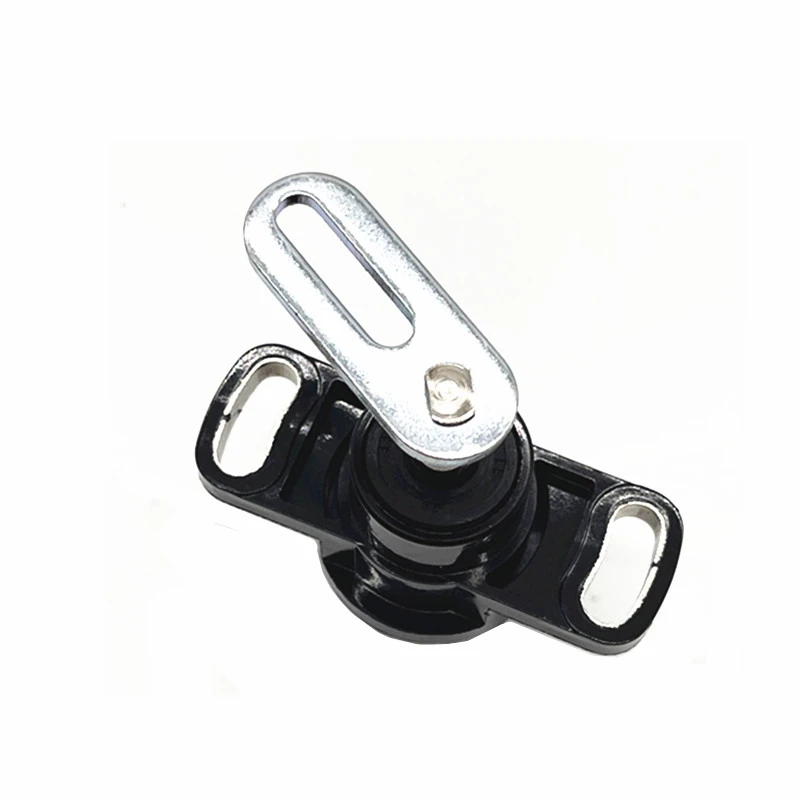
Key Factors to Consider When Identifying Truck Parts
When determining the correct truck part, several factors should be considered:
- Compatibility: Check the make, model, and year of the vehicle to ensure the part fits perfectly.
- Material and Durability: High-quality materials ensure longevity, especially for high-stress components such as brakes, suspension, and driveline parts.
- Manufacturer Standards: Ensure the parts meet OEM or equivalent quality standards to maintain safety and performance.
- Usage Environment: Parts used in heavy-duty applications may require reinforced or specialized materials.
For B2B buyers, understanding these factors reduces errors and improves operational efficiency. Many businesses also benefit from following a practical guide on choosing the right truck parts for your vehicle to streamline the selection process.
Understanding Truck Part Specifications
Truck parts come with a wide range of specifications that dictate their function and compatibility. These include dimensions, load capacity, torque ratings, and material composition. Carefully reviewing the specifications ensures that parts meet the operational demands of the vehicle.
Modern fleets often rely on heavy-duty trucks where performance standards are critical. Knowing how to read technical data sheets and cross-reference OEM specifications is essential. For guidance, refer to resources focused on understanding truck parts specifications.
Visual and Physical Inspection Techniques
Before installation, visual and physical inspection helps verify the correct truck part. Key steps include:
- Checking for labeling, part numbers, and markings from the manufacturer
- Comparing dimensions and connection points with the original part
- Inspecting for visible defects, such as cracks, corrosion, or deformation
- Testing mechanical fit on a trial basis when feasible
These steps are critical for B2B operations, where large fleets or bulk orders require high confidence in each part’s quality and compatibility.
Leveraging Trusted Suppliers
Partnering with a reliable kuorma-auton osien toimittaja can streamline the identification process. Trusted suppliers provide detailed specifications, compatibility charts, and technical support to ensure that the right parts are selected for each vehicle model.
B2B buyers benefit from suppliers who offer:
- Verified OEM or aftermarket parts
- Expert guidance for bulk orders
- Quick replacement and shipping options
- Warranty and quality assurance
Selecting a reputable supplier reduces risk, saves time, and ensures the longevity of fleet operations.
Advanced Tools for Part Identification
Technology can also simplify the process of identifying correct truck parts. Common tools include:
- Digital catalogs: Online databases that allow part search by vehicle make and model
- Barcode and QR code scanners: Ensure that replacement parts match system records
- Diagnostic software: Confirms part compatibility electronically before installation
- CAD and measurement tools: Verify dimensions and tolerances for precision parts
Using these tools minimizes human error and increases efficiency for fleet management and large-scale B2B operations.
Tips for Bulk Purchases and Inventory Management
B2B buyers managing multiple trucks or large fleets must adopt inventory management strategies:
- Maintain records of frequently replaced parts
- Categorize parts by type, model compatibility, and usage frequency
- Keep a safety stock for critical components to avoid downtime
- Coordinate with suppliers for scheduled deliveries
A structured approach ensures that the correct truck parts are always available when needed, supporting continuous operations and operational efficiency.
Usein kysytyt kysymykset (FAQ)
How can I quickly identify the correct truck part?
Check the make, model, part number, and manufacturer specifications. Visual inspection and comparison with the original part are essential.
Are aftermarket parts reliable?
Yes, if sourced from trusted suppliers who provide specifications and quality assurance.
What is the difference between OEM and aftermarket parts?
OEM parts are made by the original equipment manufacturer, while aftermarket parts are produced by third parties. Both can be high-quality, but compatibility and warranty should be verified.
How do I ensure the part fits multiple vehicle models?
Consult the supplier’s compatibility charts, cross-reference OEM numbers, and, if possible, conduct a test installation.
Can suppliers provide technical support for large orders?
Reputable B2B suppliers often provide technical guidance, bulk order management, and documentation to ensure correct part selection.
About Xinyuhuang
Xinyuhuang is a leading supplier of truck parts and maintenance solutions for B2B clients worldwide. We specialize in providing high-quality components, technical guidance, and bulk order solutions for fleets and commercial operators.
Our portfolio includes brakes, suspension parts, driveline components, and accessories suitable for various truck models. Partnering with Xinyuhuang ensures reliable parts, optimized fleet performance, and expert support for all maintenance and replacement needs.