



Is a Snorkle on a Truck Part of the Exhaust System? A Technical Question Fleet Managers Often Ask
enero 20, 2026
Is a snorkle on a truck part of the exhaust system? The short answer is no. A truck snorkle is part of the air intake system, not the exhaust. Its role is to deliver cleaner, cooler, and often higher-positioned air into the engine, especially in dusty, wet, or off-road environments. The confusion is understandable because both intake and exhaust systems manage airflow around the engine. For procurement managers, fleet engineers, and distributors, understanding this distinction matters when specifying truck configurations, sourcing components, or evaluating performance and compliance. In the sections below, we break down the technical differences, real-world use cases, and purchasing considerations that B2B decision-makers should know.
In practical terms, a snorkle helps protect the engine from ingesting water or excessive dust, while the exhaust system is responsible for channeling combustion gases out of the engine. Mixing the two concepts can lead to incorrect maintenance decisions or miscommunication between buyers and suppliers.
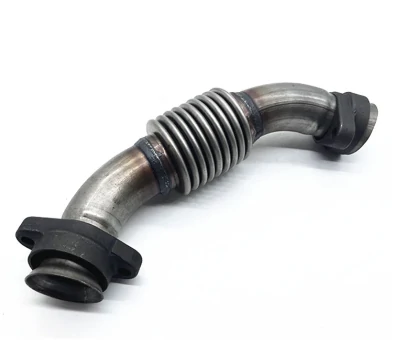
Understanding the Truck Snorkle: Function and Engineering Logic
A truck snorkle is an external air intake extension, usually mounted along the A-pillar or fender, designed to raise the air intake point above the standard factory location. Its engineering purpose is straightforward: improve air quality and reduce intake risk under harsh operating conditions.
Why Snorkles Exist in Commercial and Utility Trucks
In mining, forestry, construction, and agricultural transport, trucks often operate in environments filled with fine dust, mud, or standing water. A low-mounted factory air intake can easily draw in contaminants, accelerating engine wear.
A snorkle relocates the intake opening to a higher, cleaner airflow zone. This design reduces the probability of water ingestion during shallow water crossings and limits dust concentration entering the air filter. From a fleet cost perspective, this can extend engine life and reduce unplanned downtime.
Key Components of a Typical Snorkle System
A commercial-grade truck snorkle typically consists of:
- An intake head designed to deflect rain and debris
- A sealed duct or pipe running along the vehicle body
- Connectors and gaskets that integrate with the factory airbox
None of these components handle exhaust gases, heat dissipation, or emissions. Their sole job is to guide ambient air into the engine safely.
Exhaust System vs Intake System: Where the Confusion Comes From
The question “is a snorkle on a truck part of the exhaust” often arises because both systems involve airflow and external piping. However, from an engineering and regulatory standpoint, they are entirely separate.
Core Functions Compared
The intake system supplies oxygen-rich air required for combustion. The exhaust system removes burned gases after combustion. They operate in opposite directions and under different pressure and temperature conditions.
The exhaust system includes components such as exhaust manifolds, catalytic converters, diesel particulate filters, and mufflers. These parts must withstand extreme heat and comply with emissions regulations. A snorkle does none of these things.
Visual Similarities That Cause Misinterpretation
On some heavy-duty trucks, both snorkles and exhaust stacks are externally visible and run vertically along the cab. This visual similarity can mislead non-technical buyers or new procurement staff. However, their materials, internal structure, and connection points are fundamentally different.
For B2B buyers, recognizing this distinction helps avoid incorrect part sourcing or installation errors when working with a truck parts supplier.
Does a Snorkle Affect Engine Performance or Emissions?
While a snorkle is not part of the exhaust, it can still influence overall engine behavior. Understanding these indirect effects is important for compliance-focused fleets.
Airflow, Combustion Efficiency, and Engine Protection
By drawing in cooler and cleaner air, a snorkle can support more stable combustion, especially in hot or dusty environments. This does not increase engine power in a measurable way for most commercial trucks, but it can help maintain consistent performance under load.
From an emissions perspective, the snorkle does not alter exhaust composition. However, cleaner intake air can reduce particulate buildup inside the engine, indirectly supporting longer intervals between maintenance cycles.
Regulatory Considerations for Commercial Fleets
In most jurisdictions, snorkles are considered intake accessories and are not regulated in the same way as exhaust or emissions control components. That said, improper installation that compromises airbox sealing can lead to engine faults.
Fleet managers should ensure snorkles are sourced from qualified manufacturers and installed according to OEM or industry guidelines.
Common Use Cases Where Snorkles Are Specified
Not every truck needs a snorkle. Understanding when they are justified helps buyers make informed procurement decisions.
Off-Road and Severe-Duty Applications
Snorkles are commonly specified for trucks used in:
- Mining and quarry operations
- Oil and gas field service vehicles
- Forestry and rural infrastructure projects
- Military and disaster-response fleets
In these contexts, the cost of engine failure far outweighs the incremental cost of a snorkle system.
Urban and Highway Trucks: Is a Snorkle Necessary?
For long-haul highway trucks operating primarily on paved roads, a snorkle is often unnecessary. Standard intake systems already meet performance and filtration requirements. Adding a snorkle in such cases is usually a matter of branding or aesthetic preference rather than functional need.
Snorkle vs Exhaust: A Technical Comparison Table
Understanding the differences at a glance can help internal teams align faster.
| Componente | System Type | Primary Function | Typical Materials | Regulatory Impact |
|---|---|---|---|---|
| Snorkle | Air intake | Deliver clean ambient air to engine | Plastic or composite | Minimal |
| Air filter | Air intake | Remove dust and particles | Paper or synthetic media | Minimal |
| Exhaust manifold | Exhaust | Collect exhaust gases from engine | Cast iron or steel | High |
| Muffler | Exhaust | Reduce noise | Steel | Medium |
| DPF | Exhaust | Trap particulate matter | Ceramic, steel housing | Very high |
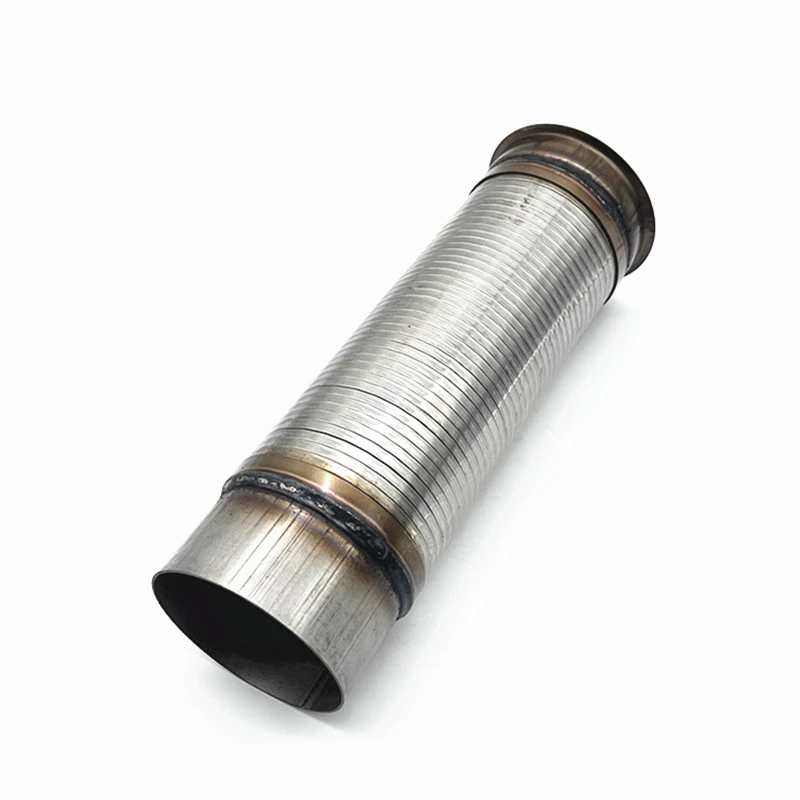
Procurement and Maintenance Implications for B2B Buyers
For purchasing managers and distributors, clarity on system classification directly affects inventory planning and customer guidance.
Sourcing the Right Components from the Right Category
Snorkles should be sourced alongside air intake accessories, not exhaust parts. Misclassification can complicate ERP systems, warranty claims, and aftersales support.
When working with a professional proveedor de piezas para camiones, buyers benefit from accurate product categorization and technical documentation that prevents such issues.
Maintenance Responsibilities and Inspection Cycles
Snorkles generally require minimal maintenance beyond periodic inspection for cracks, loose fittings, or blockages. Unlike exhaust components, they are not exposed to extreme heat or chemical corrosion.
Routine inspection can be integrated into broader intake system checks, aligning well with structured programs such as those outlined in How to maintain truck parts.
For fleets considering intake system upgrades or replacements, consulting with experienced component suppliers early in the process can prevent costly retrofits later.
If you are evaluating intake or airflow-related components for your fleet, our technical team can support your selection process. Contact us for application-specific guidance.
FAQ: Common Questions About Truck Snorkles and Exhaust Systems
Is a snorkle connected to the exhaust in any way?
No. A snorkle connects to the air intake and air filter housing. It has no physical or functional connection to the exhaust system.
Can installing a snorkle void engine warranties?
If installed incorrectly, it can. Proper sealing and OEM-compatible designs are essential to avoid warranty disputes.
Does a snorkle reduce exhaust noise?
No. Exhaust noise is managed by mufflers and exhaust routing, not intake components.
Are snorkles required for water crossings?
They are strongly recommended for repeated or planned water crossings, but they do not make a vehicle fully waterproof.
Can a snorkle improve fuel efficiency?
Any impact on fuel efficiency is indirect and usually marginal. The main benefit is engine protection, not fuel savings.
Final Thoughts: Clear Definitions Lead to Better Decisions
So, is a snorkle on a truck part of the exhaust system? From a technical, regulatory, and procurement perspective, the answer remains no. It is an intake-side component designed to protect the engine and stabilize air supply in challenging environments.
For B2B buyers, distributors, and fleet operators, understanding this distinction improves communication with suppliers, supports correct inventory planning, and reduces the risk of incorrect installations.
At Xinyuhuang, we support global customers with clear technical insight and reliable truck components. As an experienced supplier in the commercial vehicle sector, we focus on helping partners make informed decisions across intake, exhaust, and structural systems, ensuring long-term operational reliability.
References
- Wikipedia. “Snorkel (vehicle).” https://en.wikipedia.org/wiki/Snorkel_(vehicle)
- Wikipedia. “Air intake system.” https://en.wikipedia.org/wiki/Air_intake
- U.S. Environmental Protection Agency. “Vehicle Exhaust Emissions.”